The Future of Online and Offline Business: What to Expect
Introduction
The boundary separating digital storefronts from physical spaces is rapidly dissolving. For modern enterprises and ambitious professionals, navigating the future of online and offline business requires rethinking traditional operational silos. Successful modern ventures increasingly rely on hybrid business models to capture consumer attention across every touchpoint. This digital transformation demands a complete shift in how we approach enterprise strategy and career development.
The Rise of Phygital Commerce
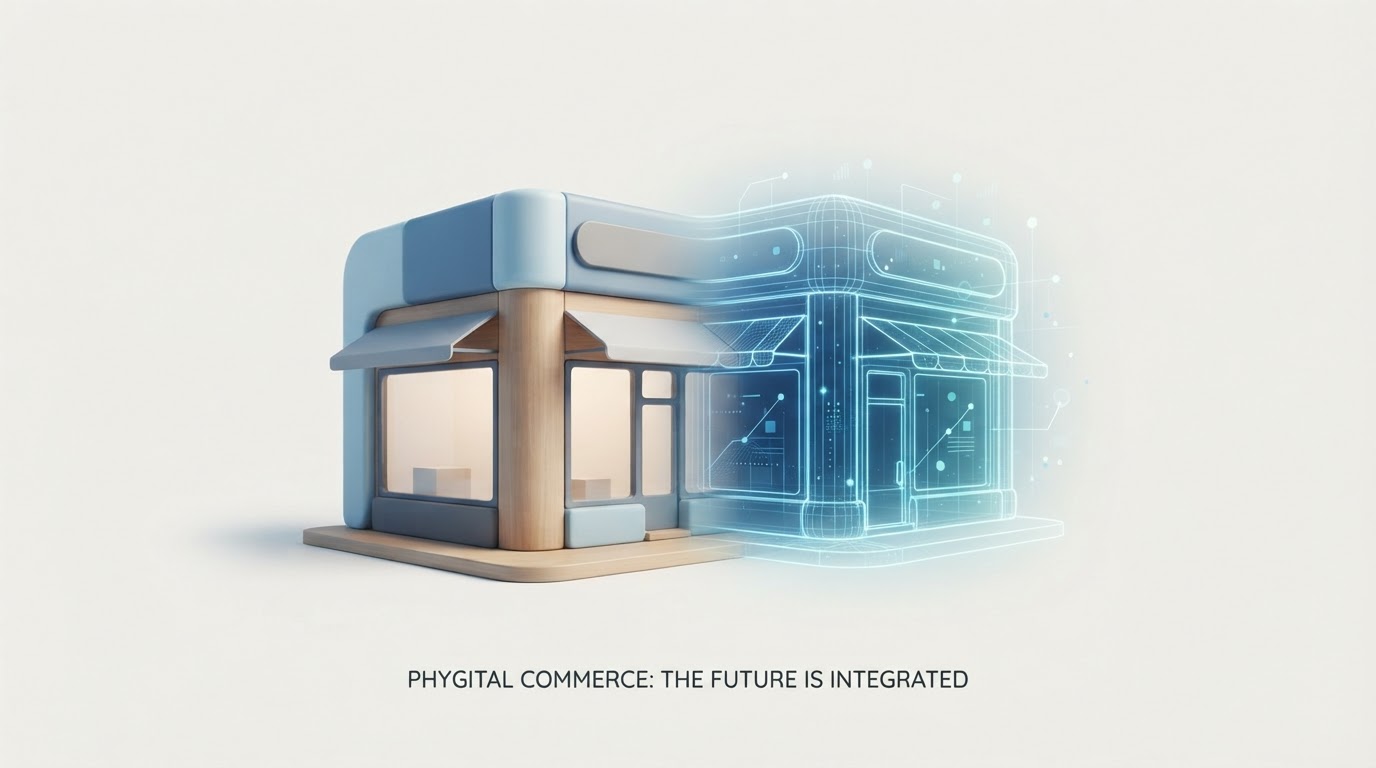
Consumers no longer view shopping through separate online and offline lenses. Instead, phygital commerce trends are fusing virtual convenience with tactile reality, creating unified shopping journeys.
Pro Tip: Leverage technologies like augmented reality in physical stores to give customers digital access to expanded product catalogs instantly.
This seamless integration of channels explains why modern enterprises prioritize agile infrastructure, allowing shoppers to research online and buy in-store without friction.
Bridging Digital Convenience and Physical Experience
Merging screens with storefronts unlocks powerful sensory advantages that pure-play e-commerce cannot replicate. Customers crave the immediate gratification of digital browsing paired with the tactile reassurance of physical products.
Best Practice: Equip in-store staff with mobile tablets to check real-time inventory across warehouse networks, ensuring shoppers never leave empty-handed.
By embracing this omnichannel strategy, businesses reduce return rates because buyers can interact with items before finalizing their purchase decisions.
How Hybrid Models Benefit Modern Enterprises
Adopting hybrid business models allows organizations to diversify revenue streams while significantly lowering overhead risks. When market fluctuations disrupt traditional supply chains, diversified enterprises easily pivot resources between virtual fulfillment centers and local outlets.
Best Practice: Analyze customer data at the intersection of web traffic and in-store footfall to optimize local inventory levels proactively.
This operational flexibility stabilizes cash flow and builds long-term resilience against economic uncertainty.
Opportunities for Professionals and Freelancers
The blending of digital and physical domains opens unprecedented avenues for independent talent. Navigating the future of online and offline business means contractors can offer specialized expertise that bridges technical execution with localized consumer engagement.
Pro Tip: Position yourself as a multi-disciplinary consultant who understands both virtual user experience and physical retail merchandising.
- Design experiential retail activations
- Manage cross-channel inventory systems
- Develop localized SEO campaigns tied to brick-and-mortar storefronts
In-Demand Skills for the Blended Economy
Thriving within the future of online and offline business requires a unique blend of technical acumen and interpersonal savvy. Professionals must master data analytics to understand cross-channel customer journeys while maintaining the emotional intelligence needed for experiential retail.
Best Practice: Combine technical certifications in data visualization with hands-on experience in customer relationship management software to make yourself indispensable.
- Cross-channel data analytics
- UX design for physical-digital touchpoints
- Omnichannel supply chain coordination
Navigating Job Markets in Transition
Employment landscapes are shifting as organizations restructure around integrated physical and digital operations. Job seekers must adapt to roles that frequently cross traditional departmental boundaries.
Pro Tip: Update your resume to highlight cross-functional projects that demonstrate your ability to manage both virtual systems and physical workflows.
- Target roles in omnichannel project management
- Highlight experience with enterprise resource planning
- Showcase adaptability across remote and on-site environments
Strategic Adaptations for the Next Decade
Enterprise survival depends on proactively aligning infrastructure with phygital commerce trends rather than reacting to market shifts. Organizations must audit their core operations to identify friction points between digital systems and physical assets.
Pro Tip: Establish cross-functional innovation task forces charged with testing localized fulfillment loops and experiential retail concepts.
- Integrate IoT sensors into retail displays for real-time tracking
- Redesign supply chains to support decentralized micro-warehousing
- Implement unified customer data platforms across all channels
Leveraging Technology Without Losing the Human Touch
Advanced automation and artificial intelligence streamline operations, yet over-reliance on algorithms can alienate consumers seeking authentic connections. Phygital commerce trends succeed only when digital tools amplify empathy rather than replace it.
Best Practice: Use automated messaging for routine order tracking, but route complex inquiries directly to empathetic human representatives to preserve brand trust.
- Deploy chatbots strictly for basic FAQs and inventory lookups
- Empower frontline staff to resolve escalated issues without rigid scripts
- Use customer data insights to personalize face-to-face interactions
Sustainable Growth in a Dual Marketplace
Achieving long-term viability in the future of online and offline business requires balancing ecological responsibility with financial profitability across both channels. Organizations adopting hybrid business models must minimize their carbon footprint by optimizing delivery routes from local brick-and-mortar storefronts rather than distant warehouses.
Best Practice: Implement circular economy initiatives, such as allowing customers to return online purchases to physical retail locations, to dramatically cut down on return shipping emissions.
- Optimize local micro-fulfillment to reduce transport emissions
- Sustain eco-friendly packaging standards across digital and physical touchpoints
- Track resource consumption using unified data platforms
FAQ Subsection
Navigating the future of online and offline business naturally raises questions for forward-thinking professionals.
Pro Tip: Review these common inquiries to better understand how hybrid business models impact your daily operations and career trajectory.
- What defines phygital commerce trends today?
- How do enterprises measure omnichannel success?
- Can freelancers thrive without a physical office?
Conclusion
The boundary between virtual storefronts and physical environments has permanently dissolved. Embracing the future of online and offline business requires forward-thinking leaders and agile freelancers to treat digital innovation and physical presence as a unified ecosystem. Organizations that successfully integrate hybrid business models will capture shifting consumer expectations by offering seamless transitions across every touchpoint.
Pro Tip: Continuously audit your operational workflows to ensure your physical and digital channels reinforce one another rather than competing for resources.
- Align digital marketing metrics with physical store footfall data.
- Empower cross-functional teams to manage integrated workflows.
- Prioritize customer-centric adaptability over rigid channel silos.
By mastering phygital commerce trends, modern enterprises and independent professionals secure long-term resilience in an ever-evolving commercial landscape.
Frequently Asked Questions
What does the future of online and offline business look like?
The future belongs to companies that completely erase the artificial lines separating their websites from their physical locations. Instead of choosing between a digital storefront and a brick-and-mortar shop, enterprises are combining both into a single, unified consumer journey. This means you will see more localized fulfillment, interactive physical showrooms, and fluid inventory systems that react instantly to consumer demand.
How will physical stores survive the growth of e-commerce?
Physical spaces are shifting their primary purpose from mere product storage to immersive brand experiences and community hubs. Stores that survive are transforming into showrooms where shoppers can test items, receive personalized expert advice, and pick up or return online orders instantly.
Best Practice: Reimagine square footage to host workshops, events, or exclusive hands-on demonstrations that a computer screen simply cannot replicate.
What skills do job seekers need in a hybrid business environment?
Modern employers want talent that can comfortably span both technical and interpersonal domains. You need a mix of hard data literacy and emotional intelligence to manage cross-functional projects.
- Omnichannel inventory management
- Cross-platform data analytics
- Experiential retail design
Why are traditional companies moving towards digital integration?
Legacy brick-and-mortar brands are embracing digital transformation to meet changing consumer expectations and protect themselves against supply chain shocks. When a physical store integrates online ordering, it instantly expands its local market reach and unlocks valuable behavioral data.
Pro Tip: Use integrated customer feedback loops to identify where your physical checkout process creates friction with your digital app.
How can freelancers capitalize on the fusion of online and offline markets?
Independent professionals can position themselves as bridge-builders who understand both digital marketing ecosystems and physical retail merchandising. Many small and mid-sized businesses lack the internal bandwidth to synchronize their online ads with in-store promotions.
- Build localized SEO strategies linked to real-world store visits
- Design digital booking systems for in-person appointments
- Manage cross-channel customer loyalty programs
What is phygital commerce and why does it matter?
Phygital commerce is the intentional merging of digital interactivity with physical reality to create a frictionless shopping experience. It matters because modern consumers expect brands to remember their online preferences the moment they walk through a physical store door.
Leave a Reply